Stronger Together Approach: Collaboration That Multiplies Results

What is the stronger together approach?
The stronger together approach is a mindset and way of working that treats collaboration as a force multiplier. Instead of relying on individual effort alone, it focuses on combining people’s strengths, perspectives, and resources to reach outcomes that are difficult (or impossible) to achieve in isolation.
At its core, this approach assumes that differences are an advantage when they’re coordinated well. One person may be strong at strategy, another at execution, and another at communication—when those strengths are aligned around a shared goal, the group can move faster, make better decisions, and adapt more smoothly to change.
In practice, the stronger together approach shows up through clear shared objectives, open communication, and mutual accountability. Teams that use it tend to prioritize transparency (so everyone understands what’s happening), trust (so people can depend on each other), and complementary roles (so work isn’t duplicated or dropped). It also encourages asking for help early, sharing credit, and solving problems with a “we” orientation rather than a “me” orientation.
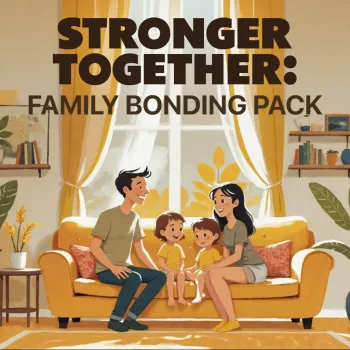
This approach can apply to workplaces, families, community groups, or partnerships—anywhere coordination and shared responsibility matter. It’s especially useful when challenges are complex, time-sensitive, or require multiple skills, because it reduces bottlenecks and surfaces better ideas through constructive input.
For a deeper explanation and examples of how this mindset works, visit the main resource here: https://lumopipstylavesto.shop/what-is-the-stronger-together-approach/.
For Stronger Together Approach: Collaboration That Multiplies Results, the best answer depends on fit, material, care instructions, and how the product will be used day to day.
Checking those details first helps avoid a poor match and keeps the choice practical after delivery.
For Stronger Together Approach: Collaboration That Multiplies Results, the best answer depends on fit, material, care instructions, and how the product will be used day to day.
FAQ
How can teams build a stronger together culture?
Start with a clear shared goal, define roles so strengths complement each other, and create simple routines for communication (like short check-ins). Reinforce trust by following through on commitments and addressing issues early, before they become bigger problems.













Leave a comment